Punch Up: “To Me My ❌-Men”
Chapter Thirty:
1985 & 1999
Life Death II & III
July, 1985 Uncanny X-Men No. 198 by Windsor-Smith, Orzechowksi, Claremont + Nocenti
*Life - Death II
1999, Adastra (Formerly Ororo) in Africa by Windsor-Smith, Orzechowski + Publisher Fantagraphics
*Life - Death III (unofficially)
Mixtape track: Do You Want to Dance by Bobby Freeman
Chapter 30: of “to me my ❌-Men,” where we complete Chapter 21’s masterpiece; Life Death. Chapter 7’s Wolverine, Chapter 17’s Demon Bear, and Chapter 27’s Legion, being our other three masterpieces, thus far.
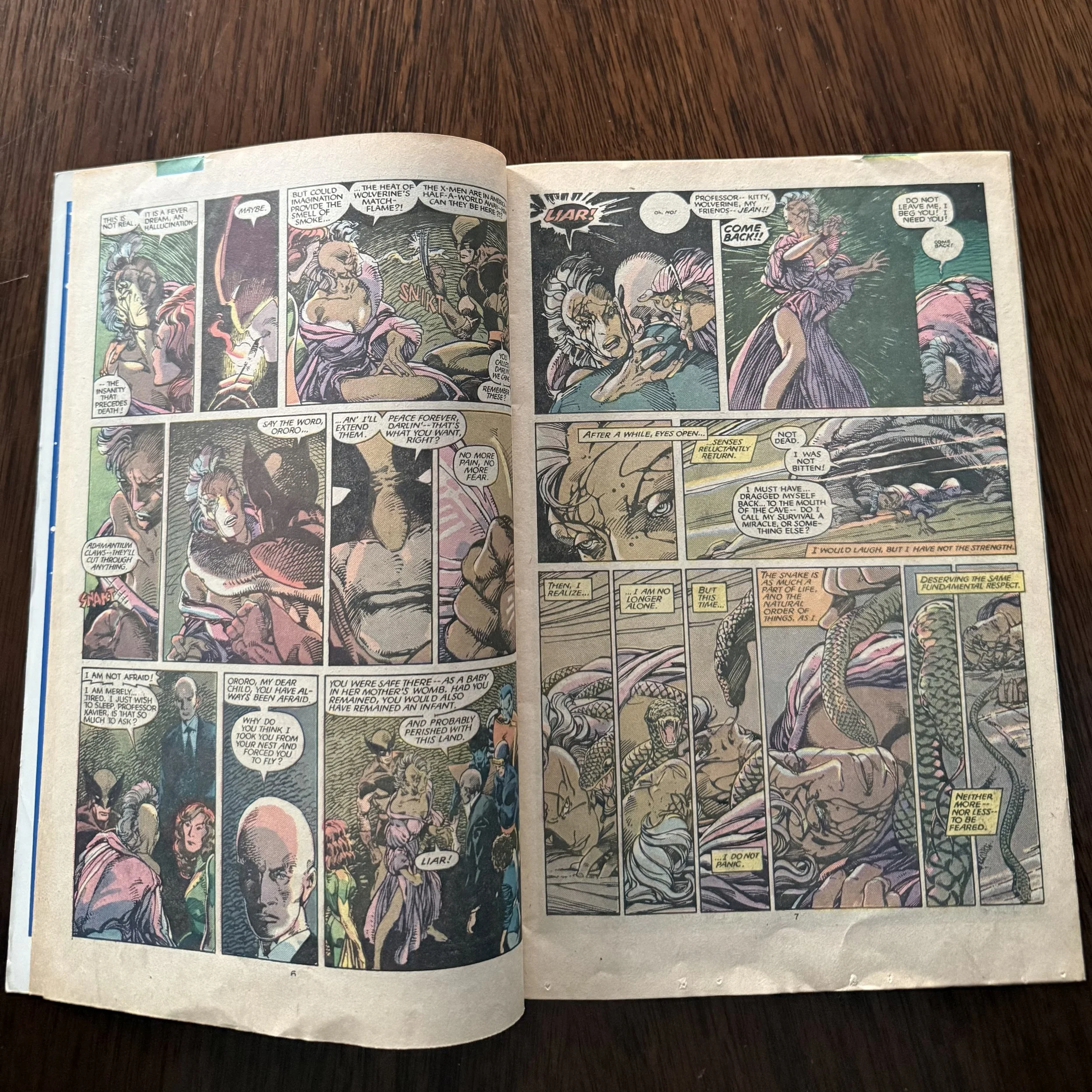
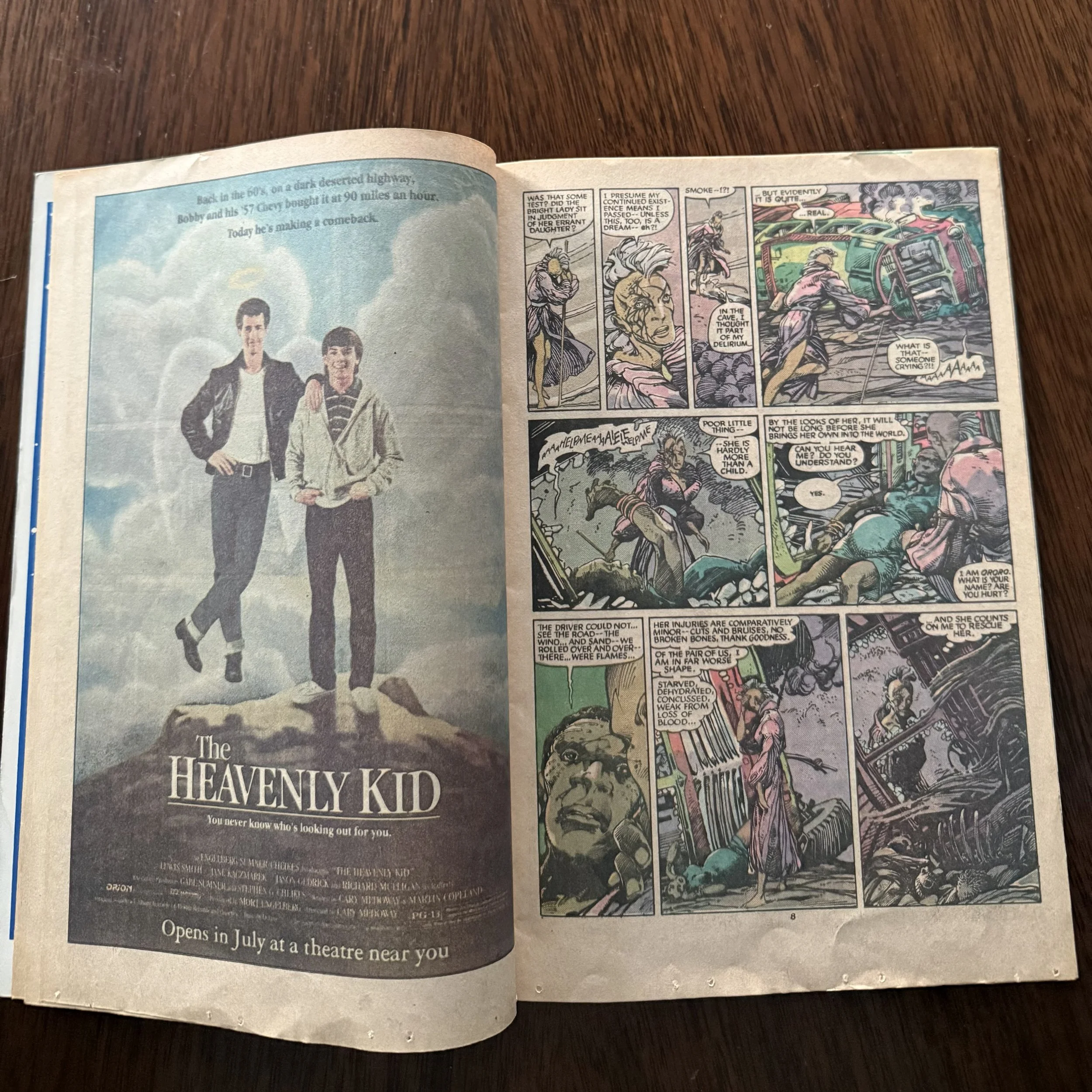
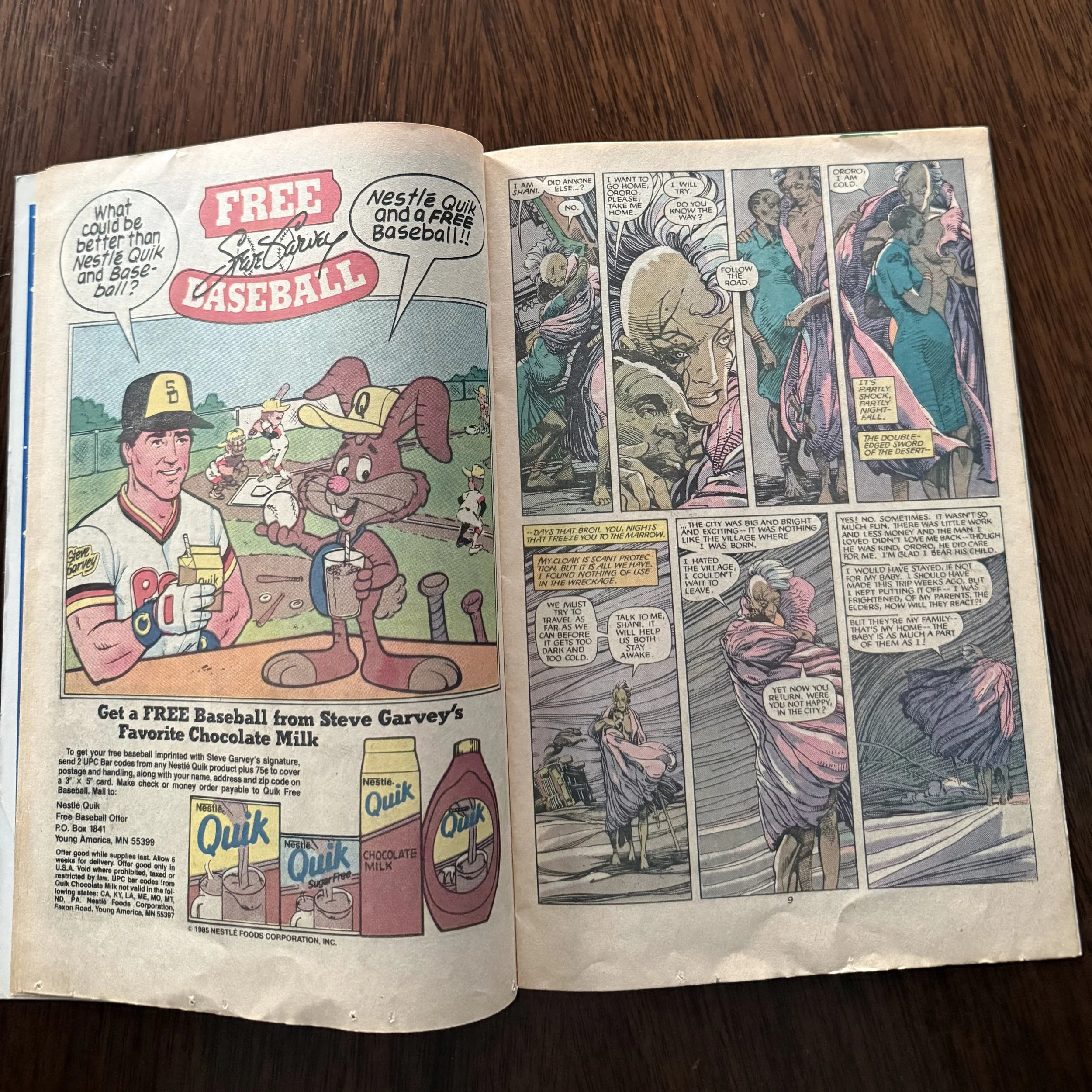
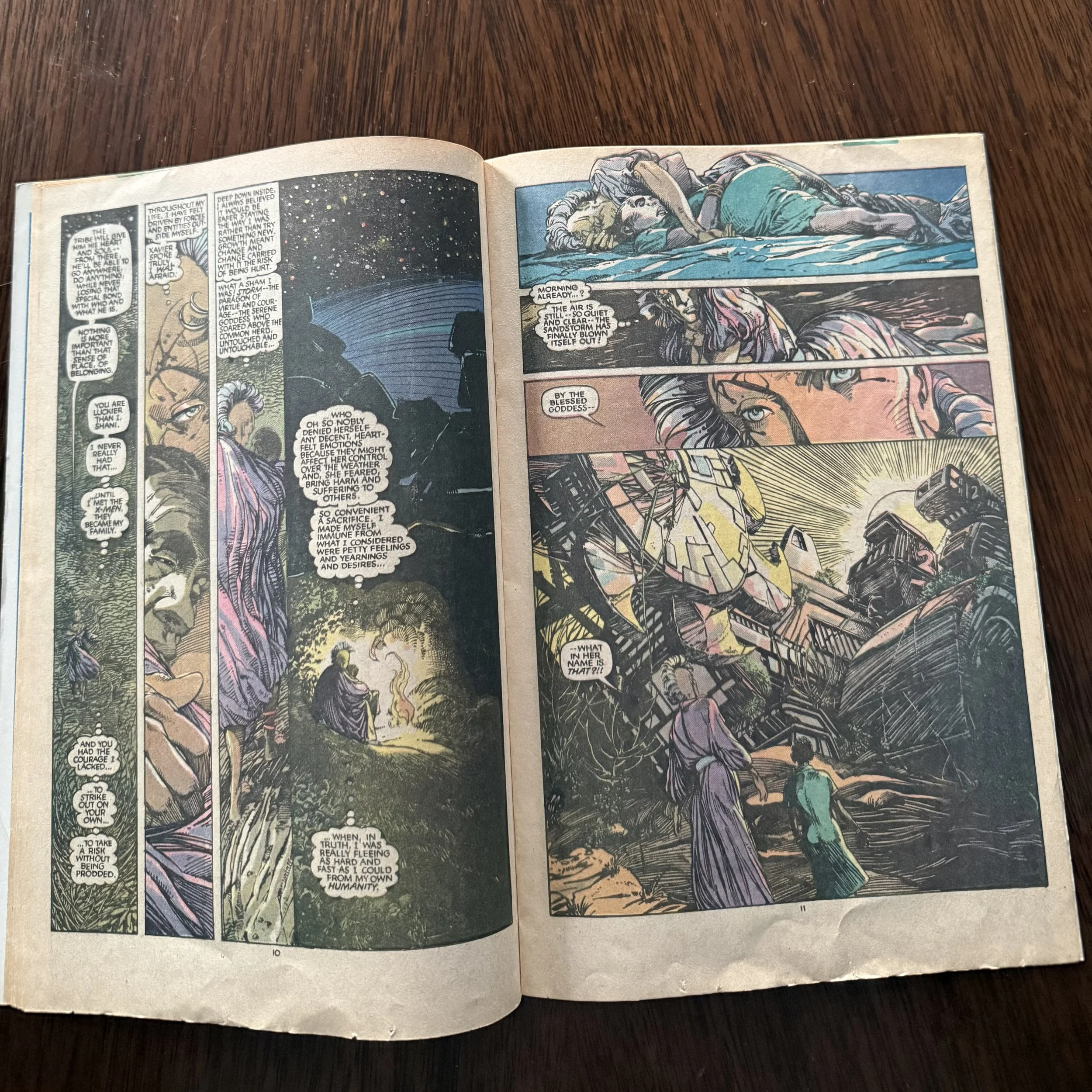
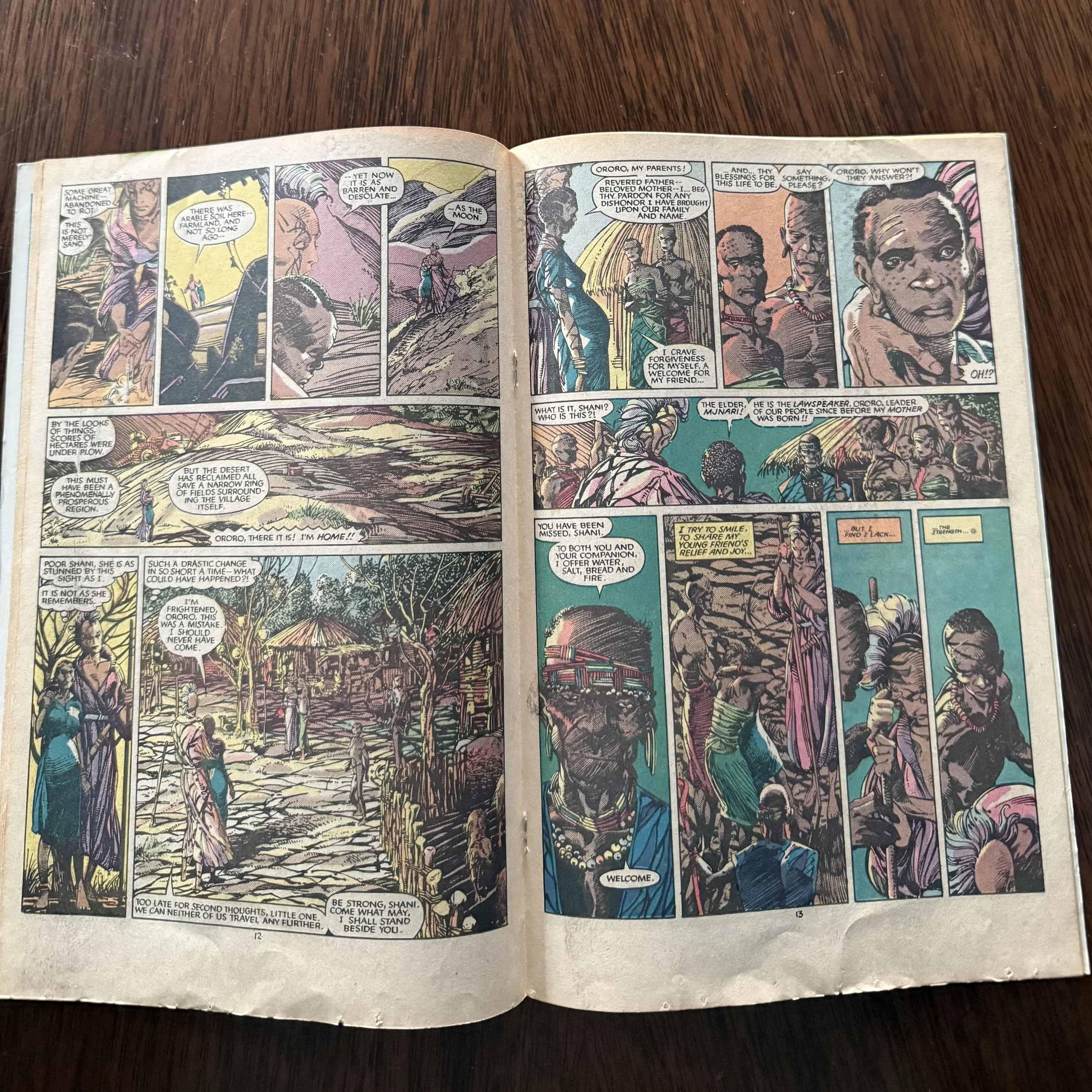
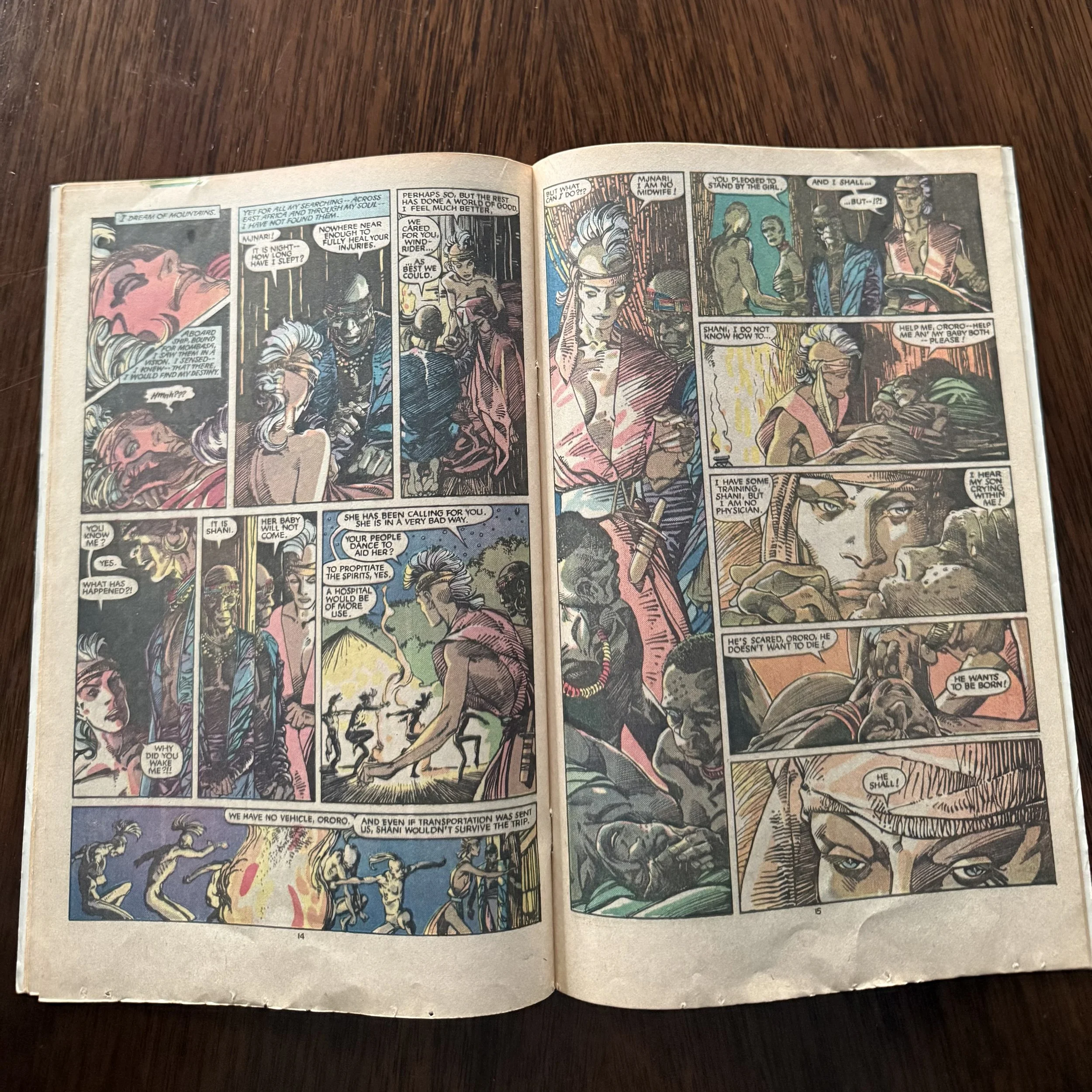
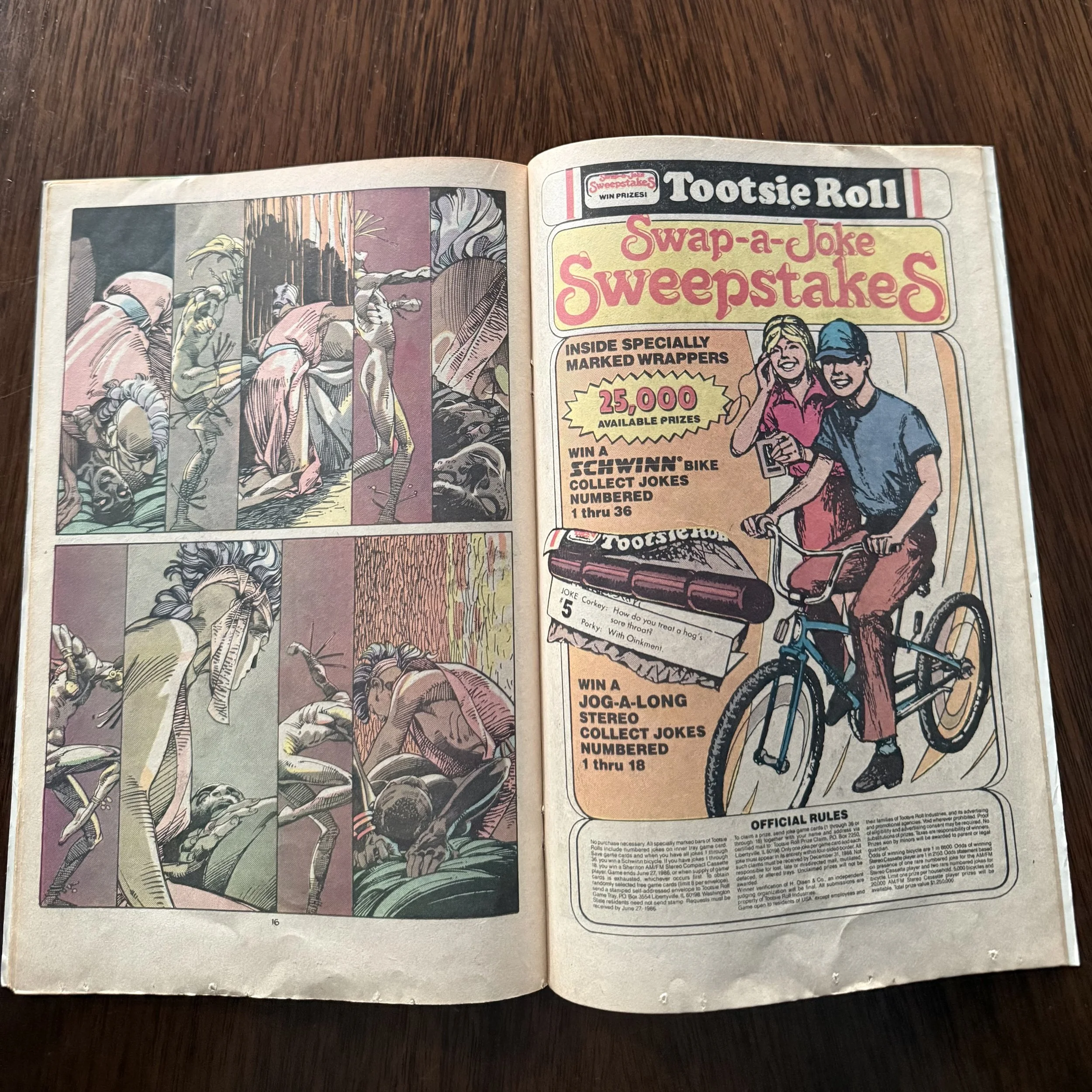
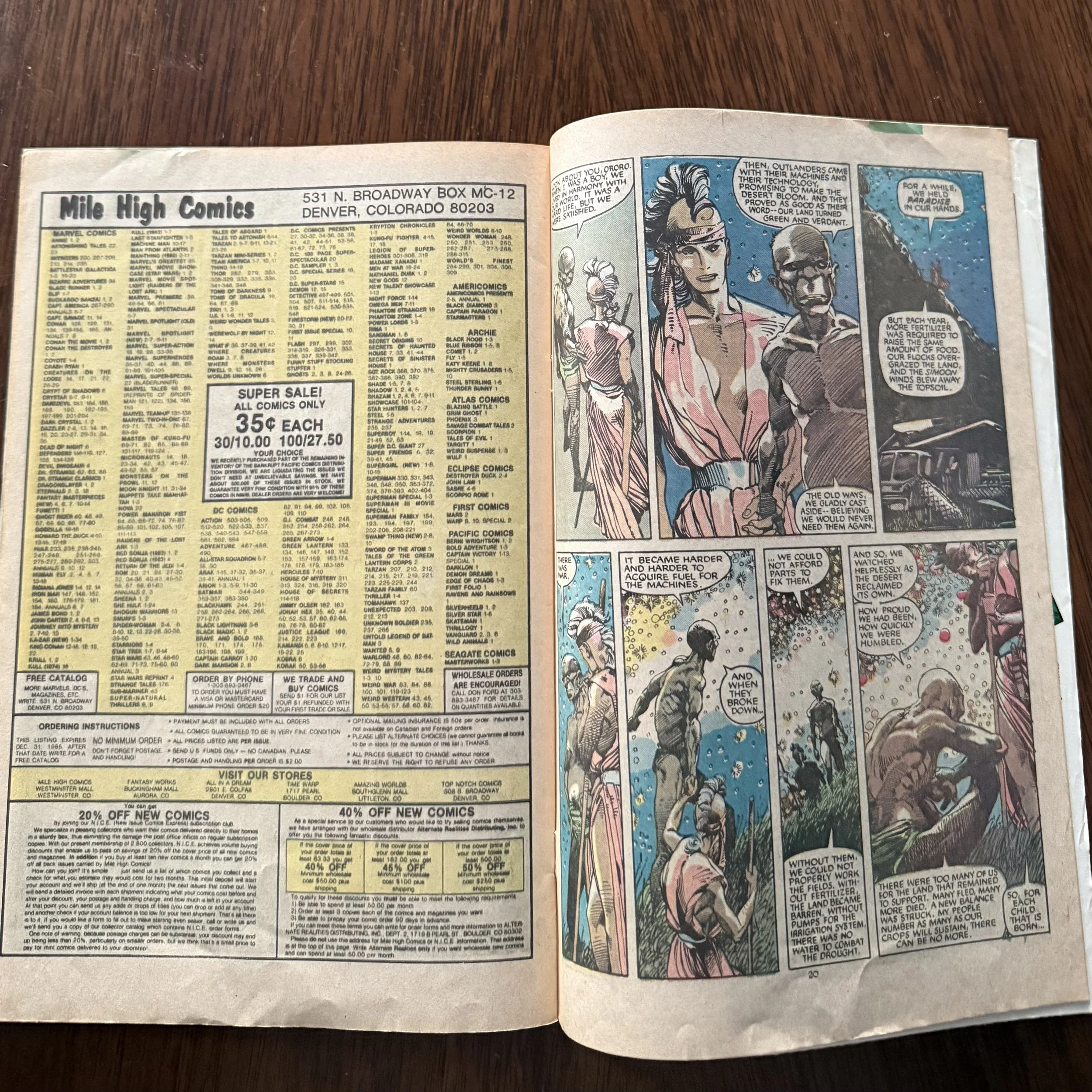
Previously on “to me my ❌-Men,” amongst the 29 chapters thus far, a quartet have been what I am calling masterpieces. Of those the third one in order of storytelling was Life Death I. In which Forge and Ororo fall in love as she has been betrayed by Forge in loosing her powers to his creation, but not by his hand. He tried to stop it and failed in fact. Additionally there were alien possessions. Last we saw Ororo who is our depowered ❌-Men and head of the Morlocks, was in Kenya where she along with a lion were shot down by some Nazi twins. In her absence the Morlocks, the ❌-Men (under Kurt’s leadership), and the school (with a transfer of power happening between Chuck to Maggie) have all had events that could have used her guidance. The Mutant Bill is still in campaign mode, kidnapping seems to be constantly happening, the world is becoming radicalised against mutants, as Ororo’s closest pupil is far to comfortable in her “I have a Black friend” narrative, and lets slip something generations of readers wish never happened, and so we look to complete Life-Death. Is this Claremont’s attempt at immediate atonement?
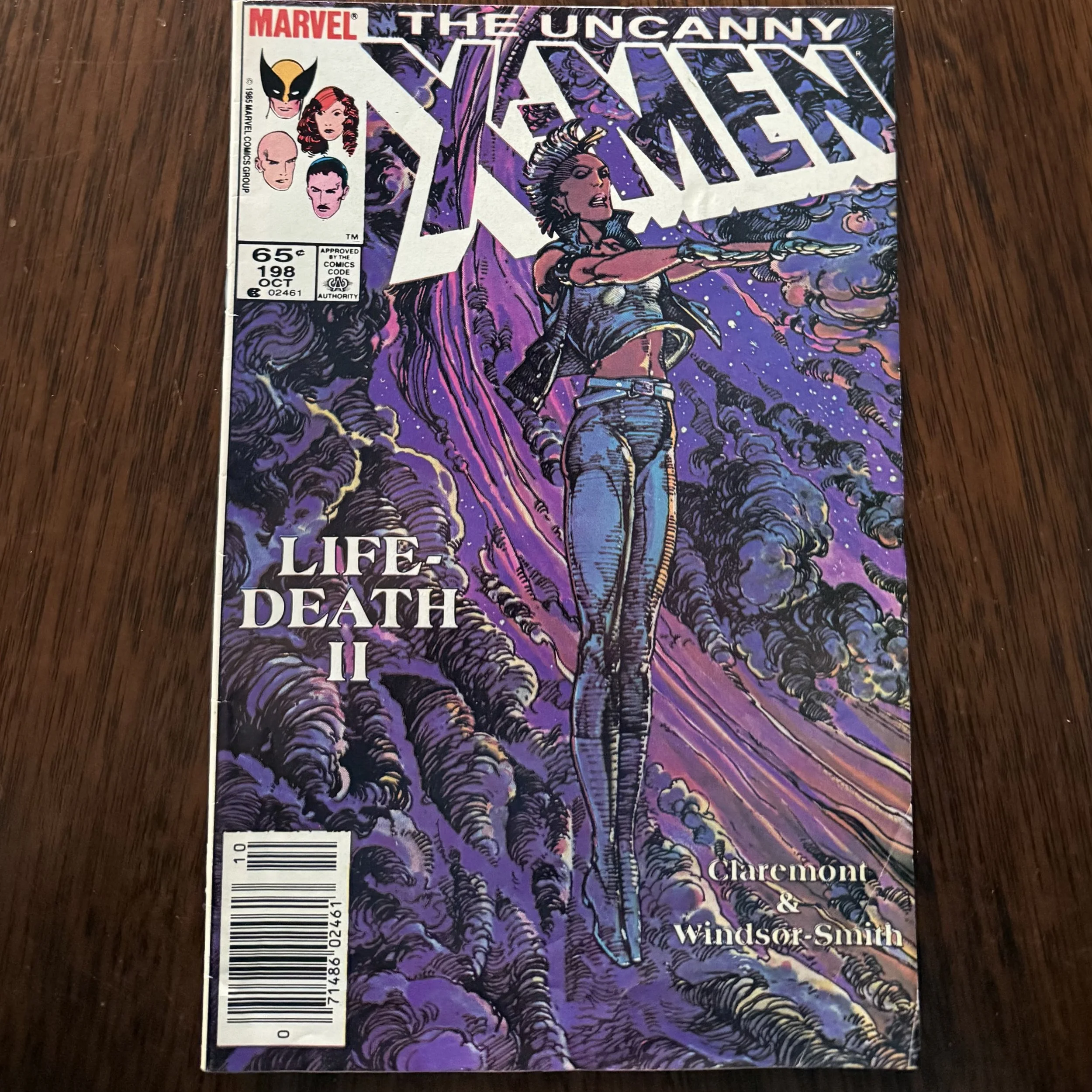
As compelling as Uncanny X-Men Vol 1 No. 290 & Storm Vol 3 No. 11’s covers are. This is “THE” solo Storm cover. It does this interesting inverse Fibonacci Spiral, beginning from the bottom right and swooping up with wind and clouds diagonally toward the corner box and then across the logo, being ushered by Ororo’s outstretched arms, through them from the finger tips and circling around her features. The pallet is pinks, purples, blues and browns, held by black inked line work. It alone is a masterpiece.
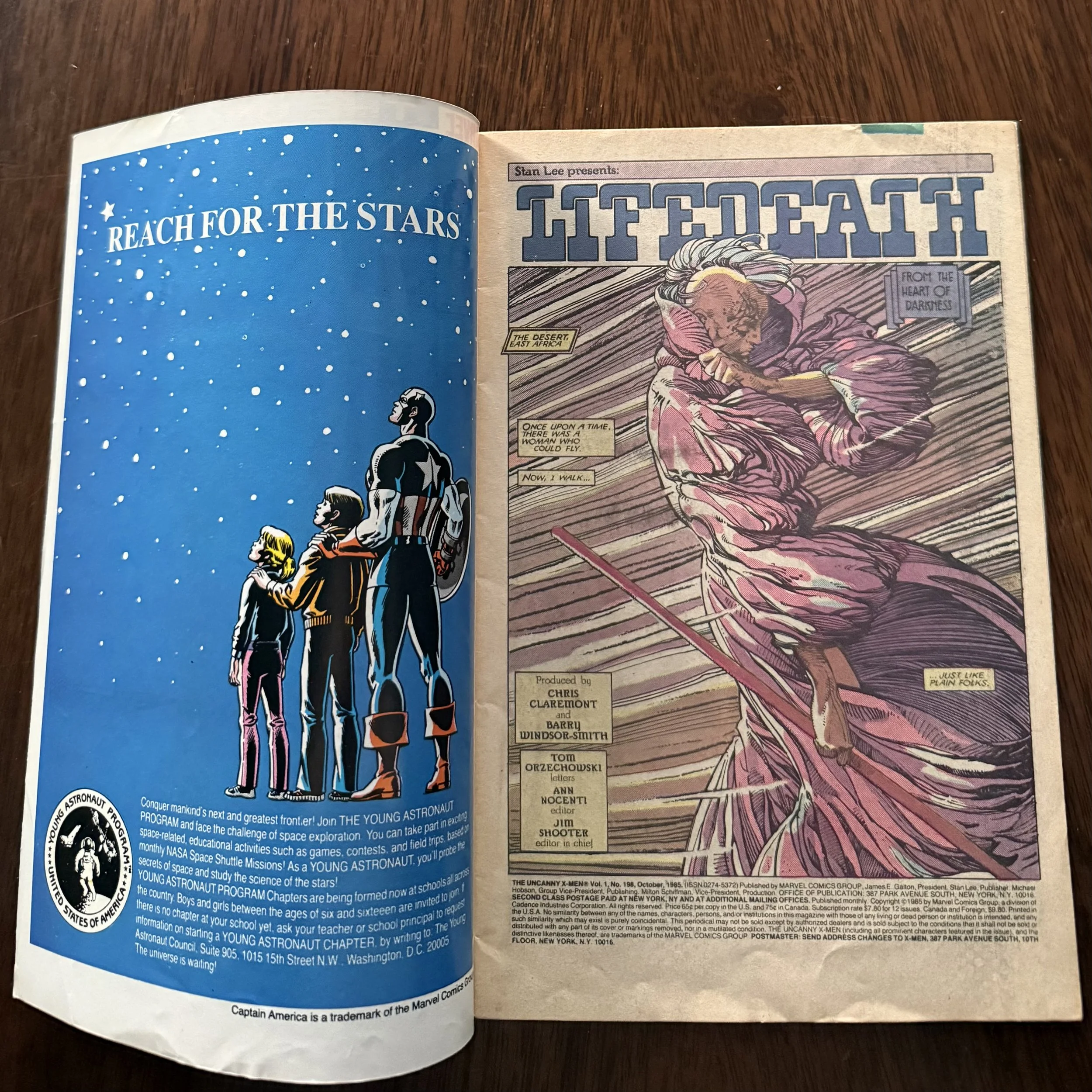
The first page is to my eye even more compelling, as soft pinks and browns are warmed by newsprint and balanced by negative space, ink the subtle placements of blue, purple, and yellow.
Claremont/Ororo narrates: “Once upon a time there was a woman who could fly. Now I walk…” I am big on walking.
I am my best self on days where I walk. Always been and always will be till I walk no more.
I don’t love flying. Ororo, my favorite ❌-Men and I are so different from each other.
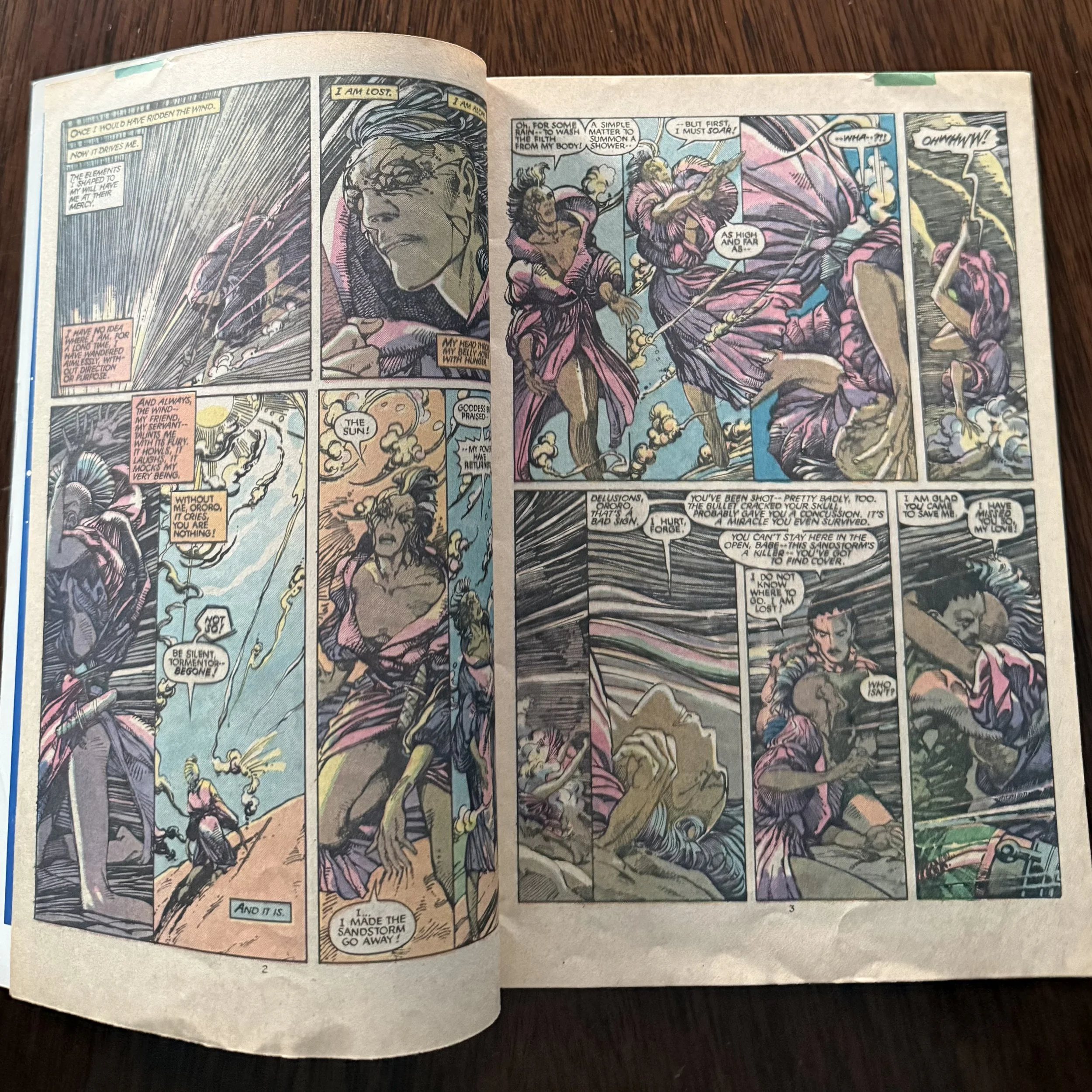
“I have no idea where I am. For a long time, I have wandered aimlessly, without direction or purpose.”
Since I was little I have had an uncanny sense of direction. I have many flaws. Sometimes this being one. For to me, a vacation is walking and getting lost. When that happens, I am relaxed. Ororo here seems to be on a different path.
Ororo:
“I am lost.”
“I am alone.”
Me:
For a moment she is convinced her powers have returned. She seems so desperate for them. Ororo lived with a privilege. Now lost, she is sharing what it is to have lost privilege. Readers of all contexts should read into this and reflect. Gain perspective from it, for just 65¢.
She has a vision of Forge and goes from relief to distain. She is absolutely conflicted when it comes to him. I don’t find many relationships compelling, this one is a rare find.
She encounters a viper. A foreshadowing event. Note snakes and Storm going forward.
Entering a cave at the end, assuming death by viper, disappearing from everyone…I understand the poetic temptation of this sort of ending.
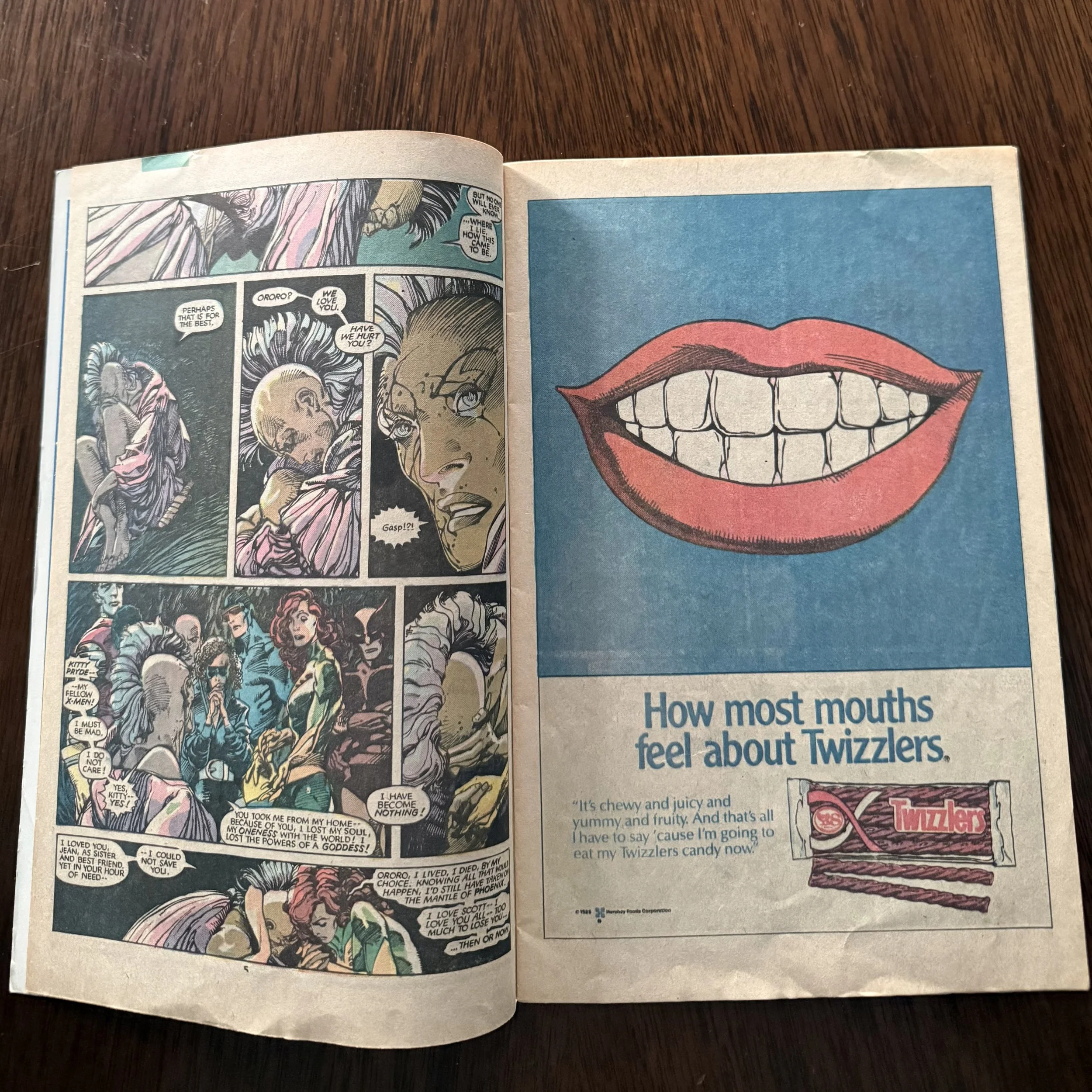
Unfortunately, Ororo has her visions of ❌-Men as companions. Piotr, Kurt, Chuck, Kitty, Scott, Logan, AND Jean.
I have avoided as much Jean as possible. For what I call the Proto-❌-Men, the generation of comics we skipped over, Jean was the center of it all. She was deservedly the POV. Some think it is Scott, but I would argue to resist that take. The path Jean takes over that generation is to frustrating for me. Yes, we just established that Kitty has racist inclinations, but genocide seems a bit worse, IMHO. So what we missed was allegedly a bond between Ororo and Jean.
So here we are Ororo in her own mind commiserating with her friend who possessed destroyed entire civilizations.
Logan, who honestly gets Ororo more than most, offers an out. But he is an illusion. No?
Her illusion of Chuck is essentially saying, I kidnapped you so you could fly. Ororo is not exactly down with Chuck. She calls him what he is. “LIAR”
And she is alone with her viper friend.
She remains unbitten.
Ororo gets up and continues on…comes across Shani, who is young and pregnant, in the aftermath of a truck crashing. She is now under Ororo’s wing.
Ororo has a purpose.
Two women, conflicted in place, peoples and circumstances.
Ororo’s inner voice betrays her, IMHO. It is to forgiving of others and does not have enough respect for herself. But this is probably the road it takes for her gain respect of others. Fine. I love a paradox.
They come across a machine. It looms large and misunderstood.
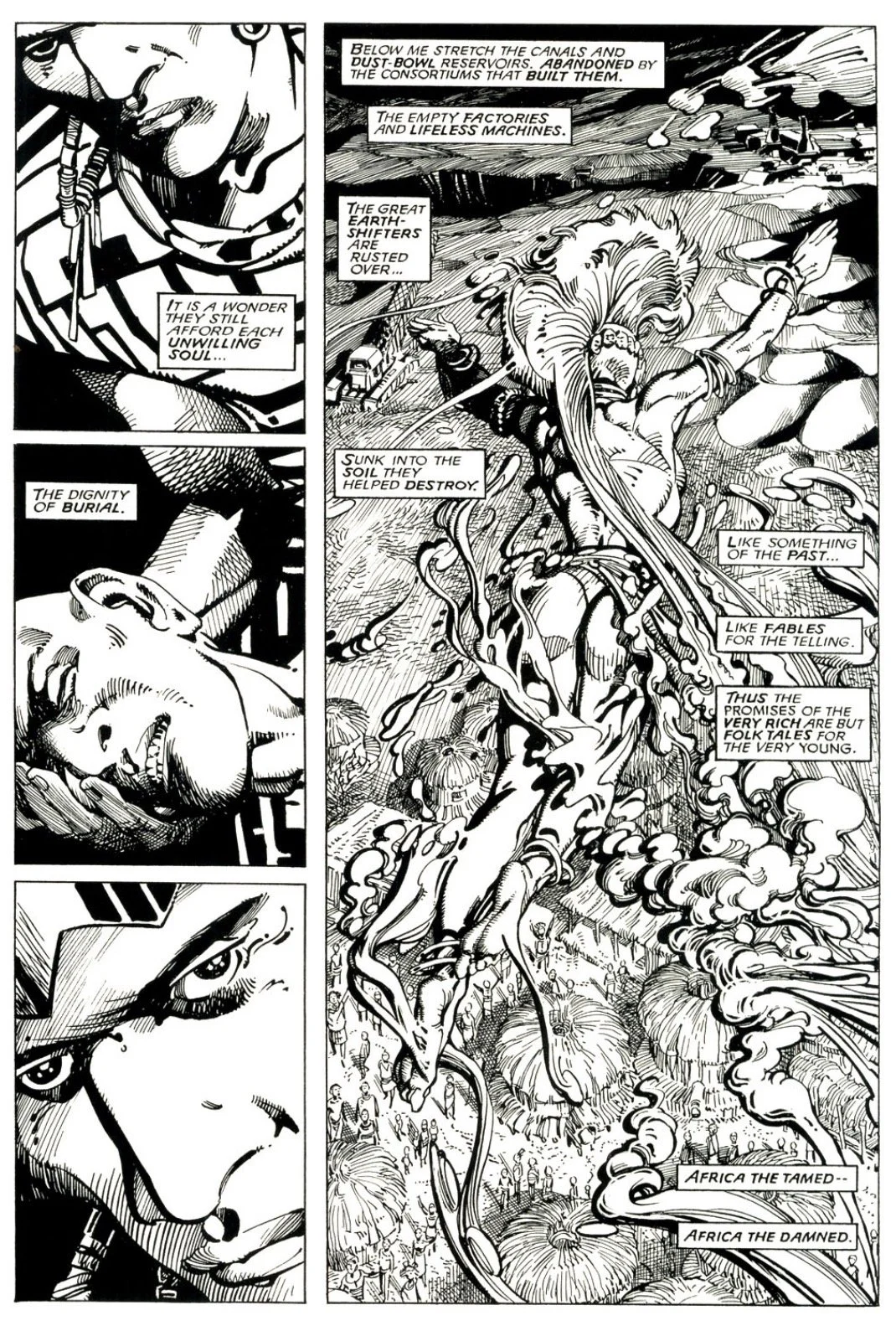
This story is being told in the heart of the Ethiopian famine. Live Aid was part of global effort to address it. This story has a contextual plot of agricultural failure and weather being a significant contributor. Storm loosing her power provides an extra layer of fictional frustration.
They arrive at Shani’s village, and are welcomed, despite Shani’s trepidation upon returning. Ororo collapses, having made the journey by will.
Mjnari the village elder calls her by her traditional name, “wind rider.” Shani’s birth is a concern. Ororo needs more rest, but the birth needs her attention.
Ororo stays by her side as they dance for help and she does what little she knows to do.
Page 16 is impactful on this context.
He is born, there is a scare, but mother and son are together alive.
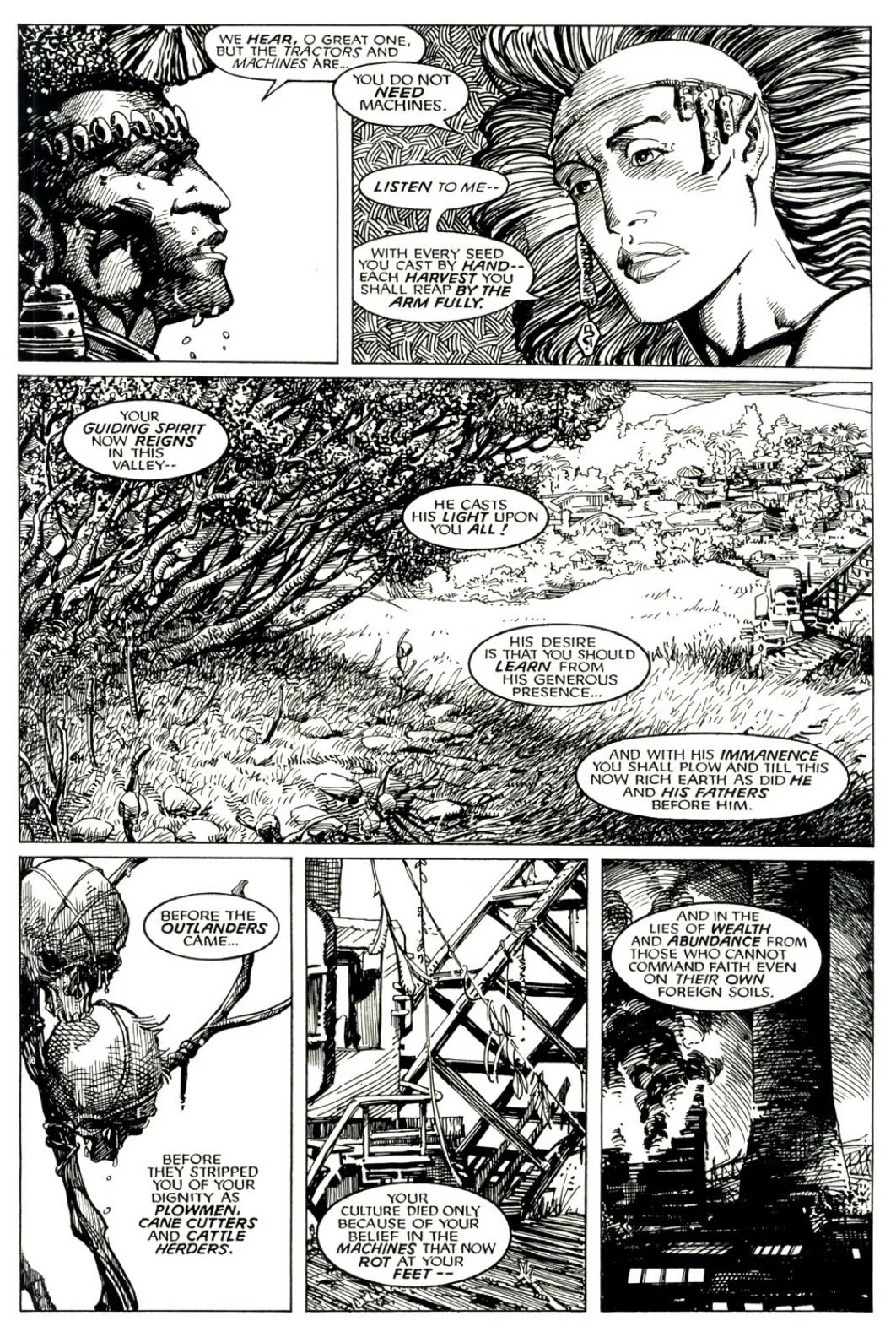
Mjnari and others leave the village and Ororo seeks answers. The village must remain sustainable and it can not sustain them all. So some must leave.
I personally believe in balance. When I am out of balance I falter. When the world around me seems out of balance it revels erosions. Mjnari is of the same mind.
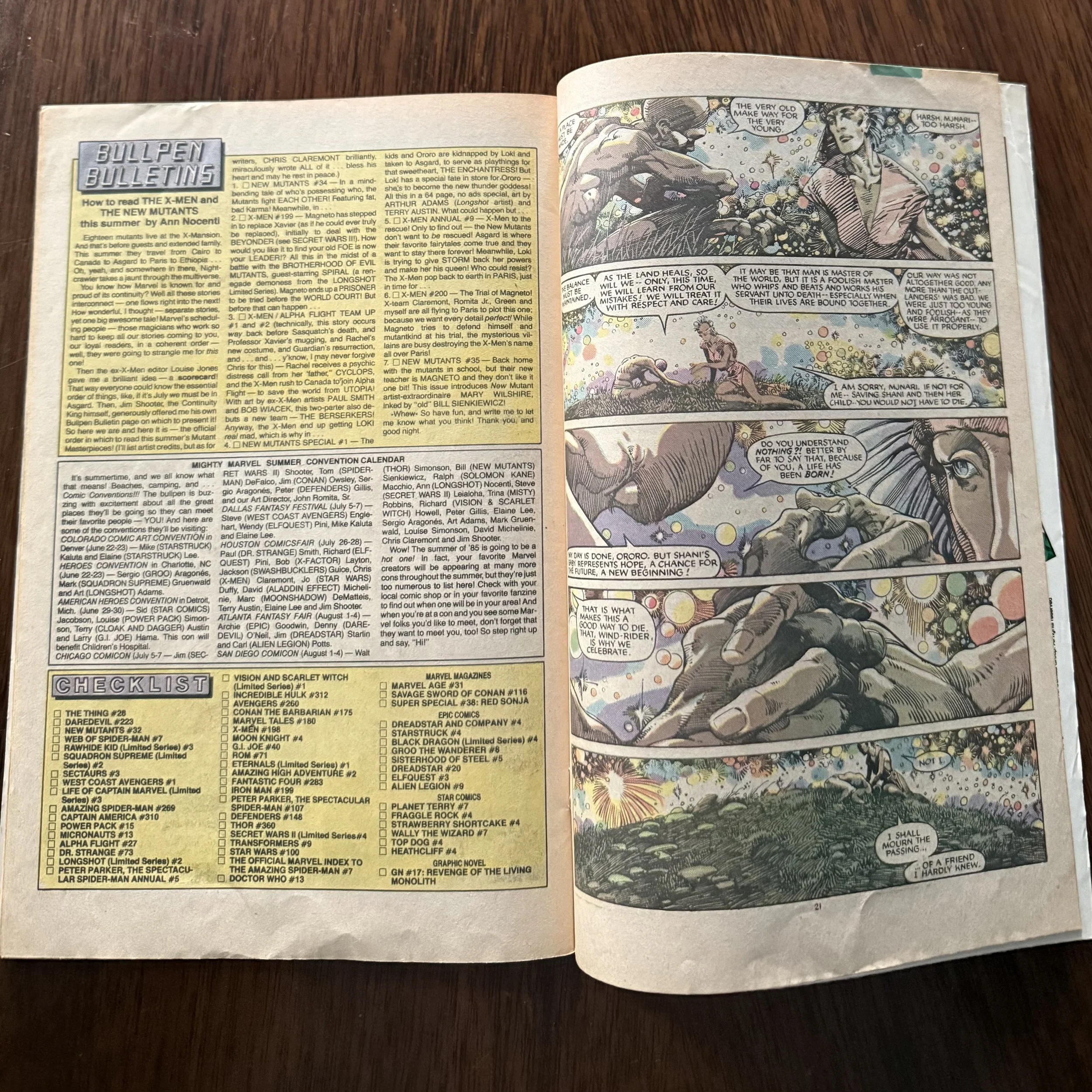
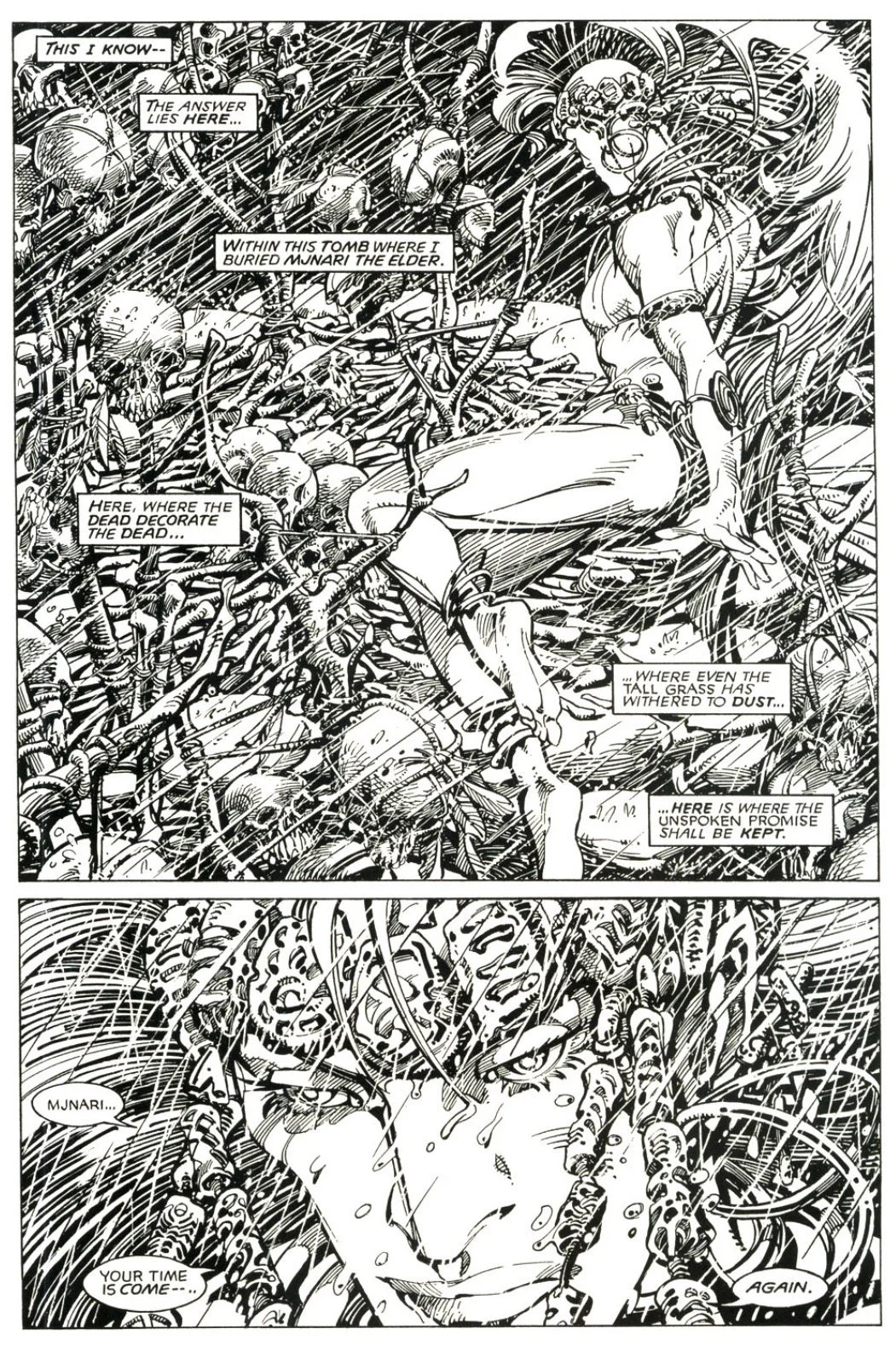
He passes away in front of Ororo, restoring some balance. She morns his passing and places rocks on his body. In beautiful pages this unfolds.
He spoke to a world of balance between machine and nature. A person to shepherd this balance. Ororo: “Me Mjnari? You mean me?!?”
She considers the cave. But she know then she would have taken up Logan’s offer of an end. And so she realize it is not about this village, but the world. A reason for being is to do right by this world.
And so thus ends the masterpiece as Marvel deemed it. And a bit of confusion, as last we saw her she was shot…but perhaps and likely so…it grazed her as a flash wound.
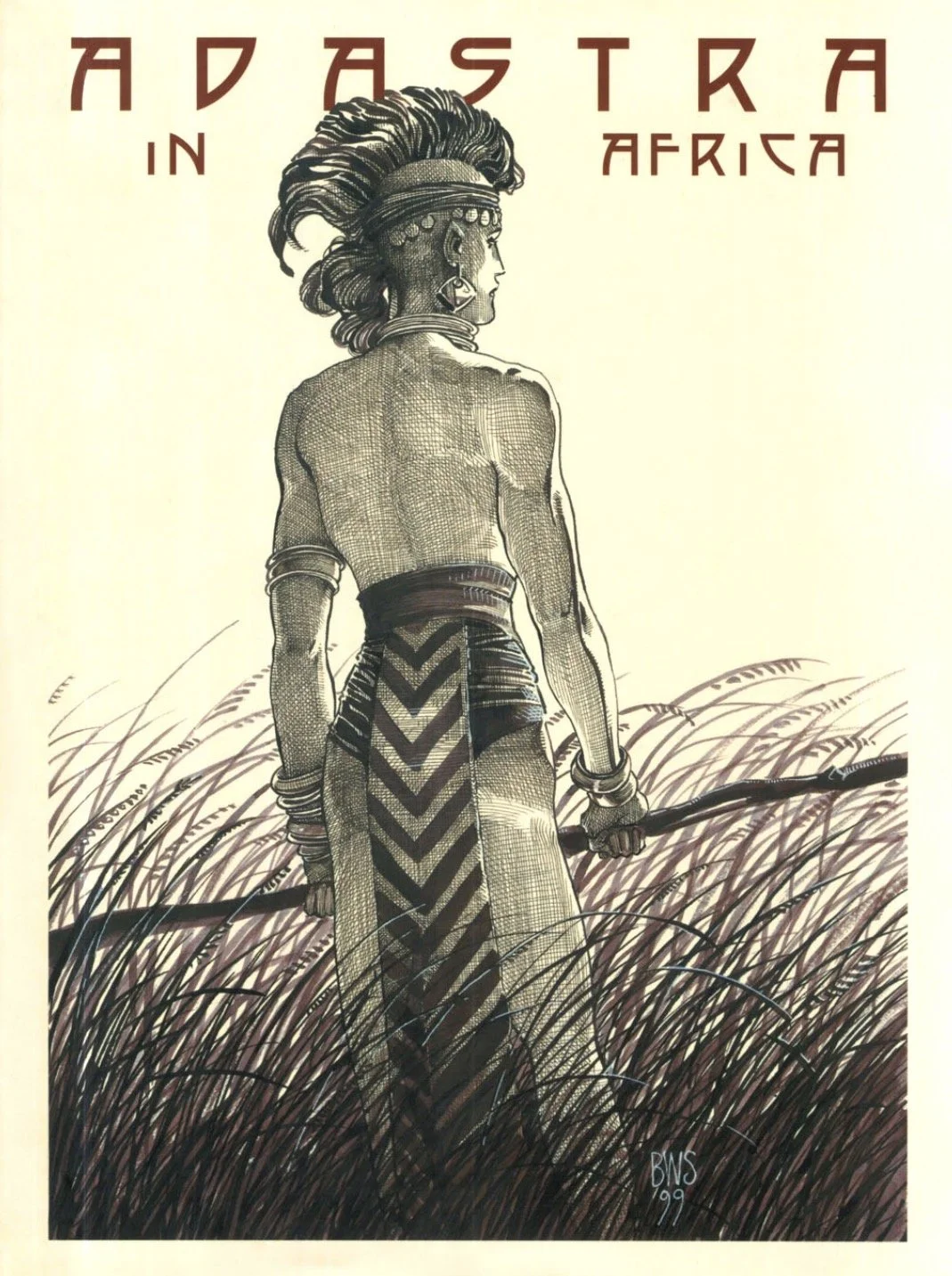
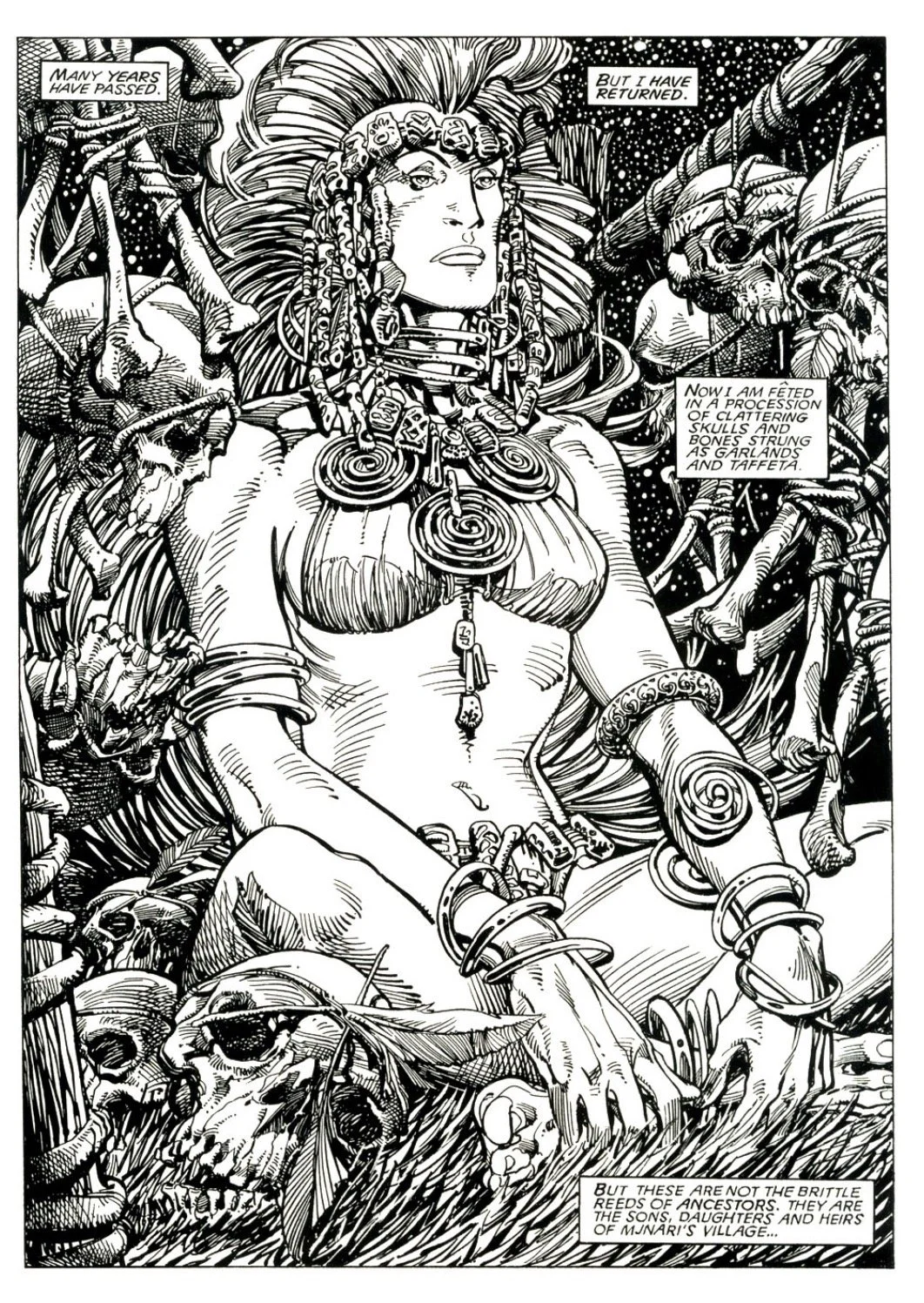
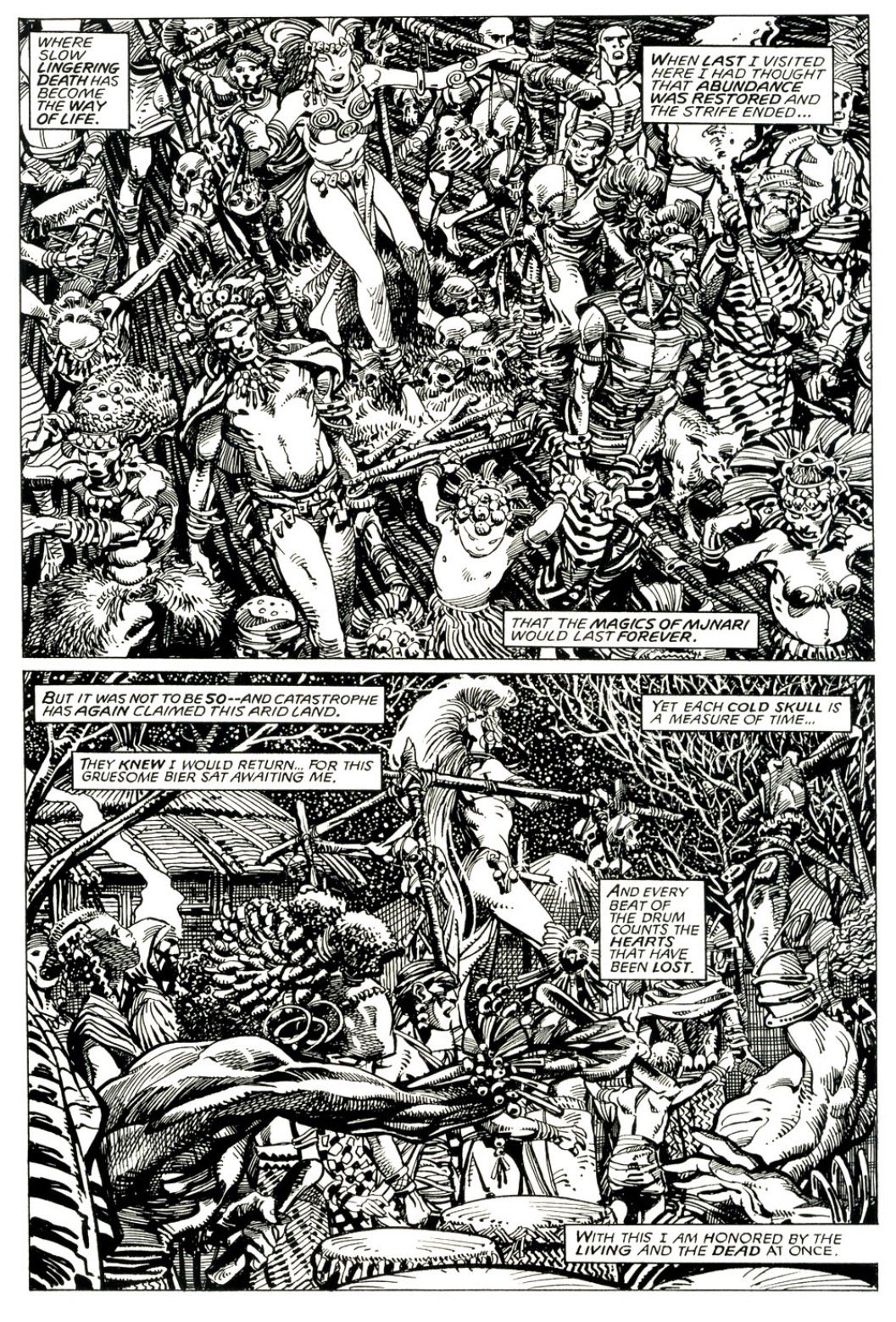
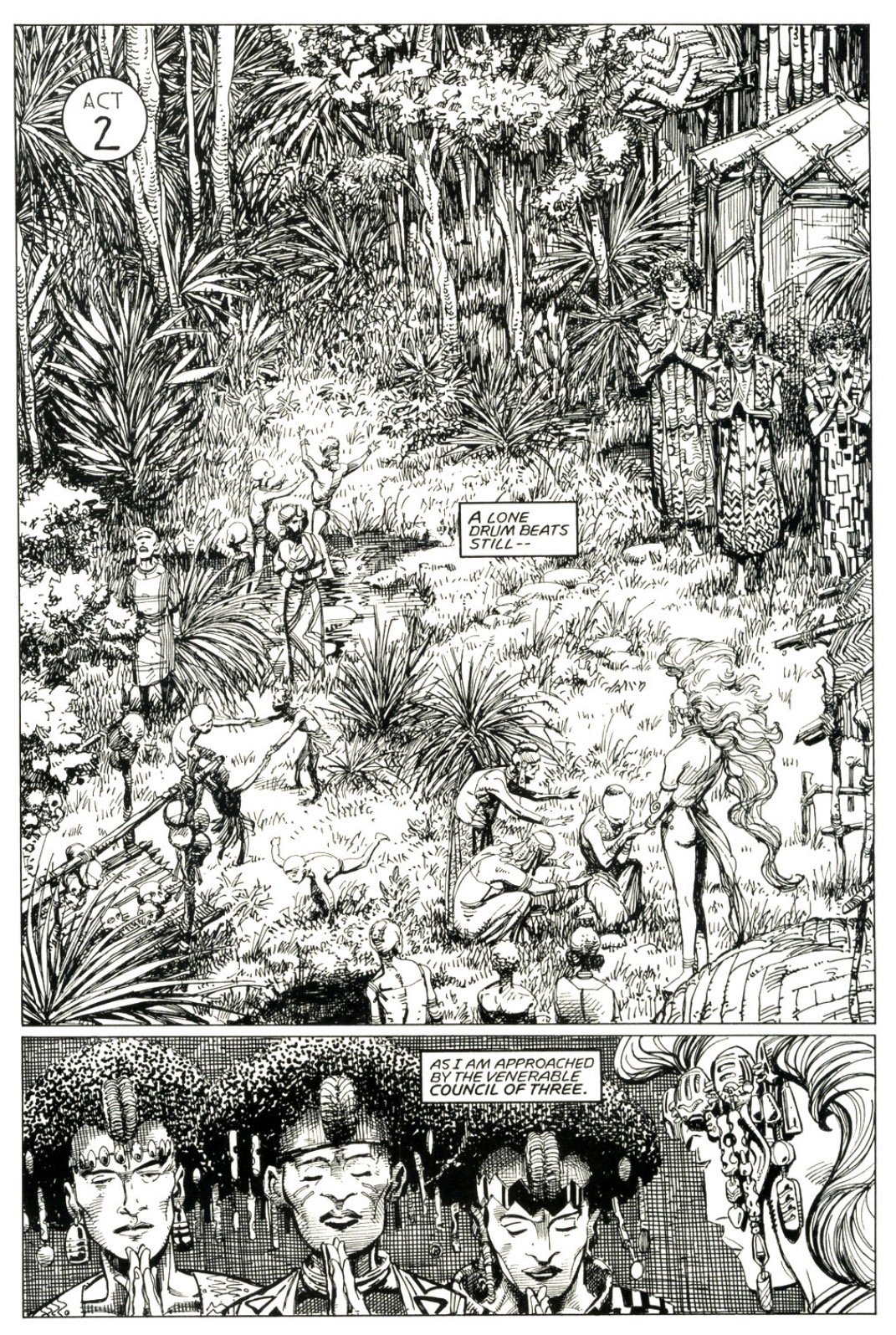
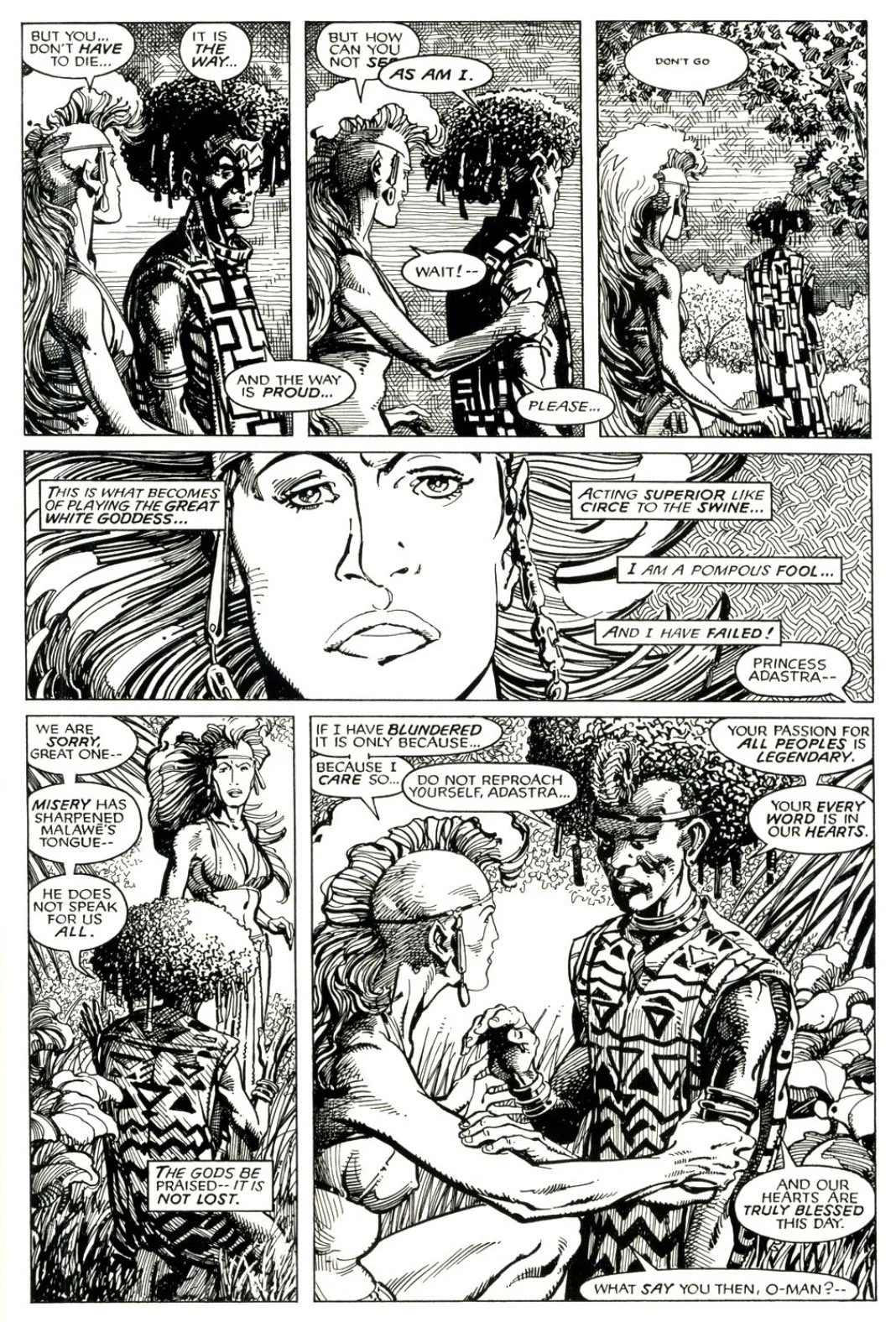
At the risk of being more lost, we read the lost act of Life-Death. Adastra in Africa.
I am going frame this so it works, with inclinations from the tale spun there, and succinctly spell it out.
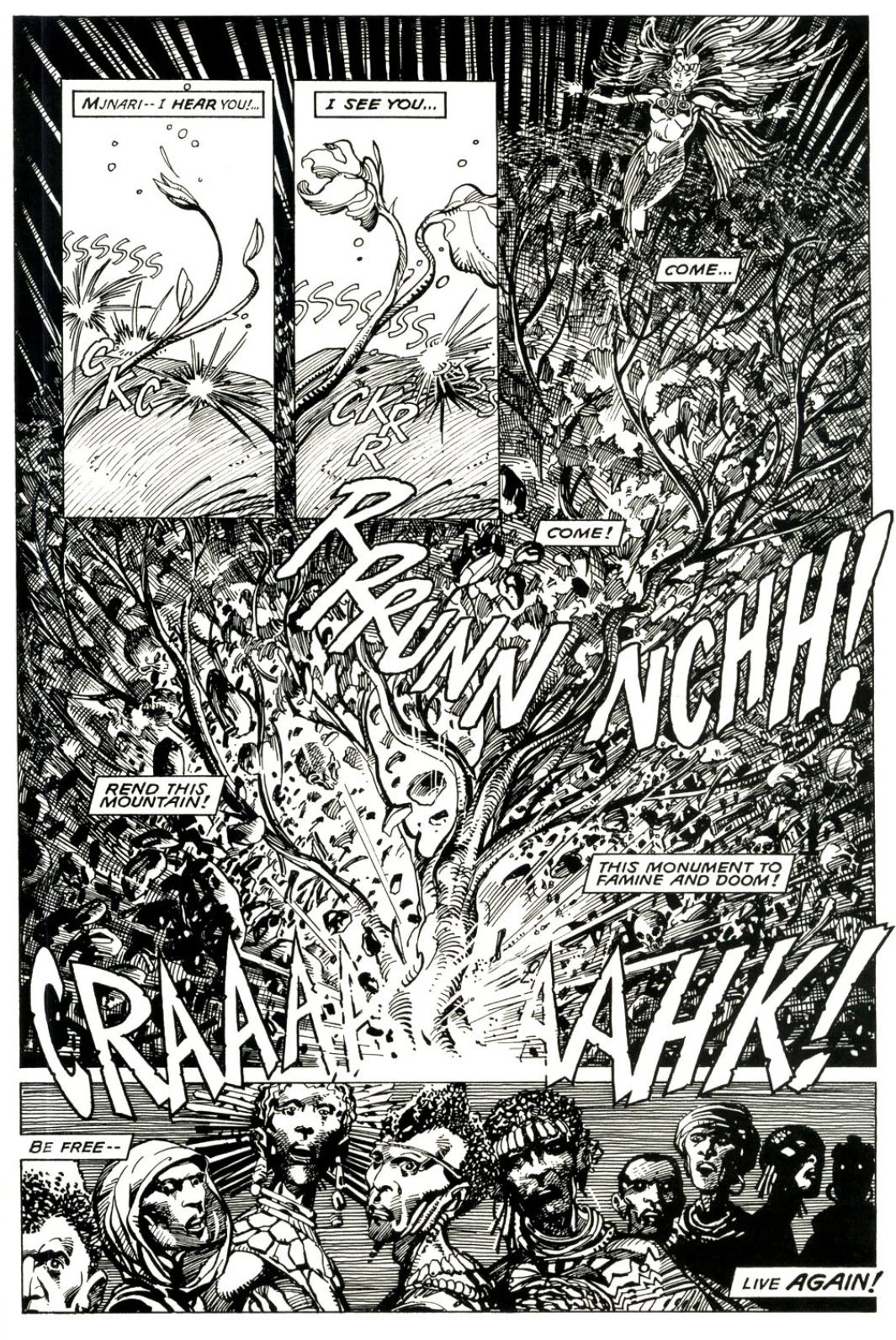
“Was it a dream?” She asks on the final page. A story of her as wind riders or ghost, as goddess or spirit, as flesh and blood or a collective wish being for filled by nature as her mind passes through. The village is overwhelmed by death and the machines have over played their part and so at another point in time the balance is restored by what was perhaps a dream shared or only in Ororo’s mind. Either way, in her next steps questions remain, answers may not be given, as is life. And she is still without powers at this time.
Next: Late Summer, 1985’s spinner rack selections; Power Pack and Uncanny X-Men
